
Surbhi Sabnani.
A fashion designer based in Jaipur, India — founder and creative director of the Surbhi Sabnani Label, the eponymous couture house she opened in 2018.
A house is a way of looking, before it is anything else.
She remembers the colour first. Not pink, exactly — the shade Jaipur reserves for itself sits somewhere between terracotta and apricot, and her grandmother used to say it changed depending on which direction you stood.
Surbhi Sabnani grew up watching that colour from the shaded side of a courtyard, and she thinks of it now whenever she chooses cloth.
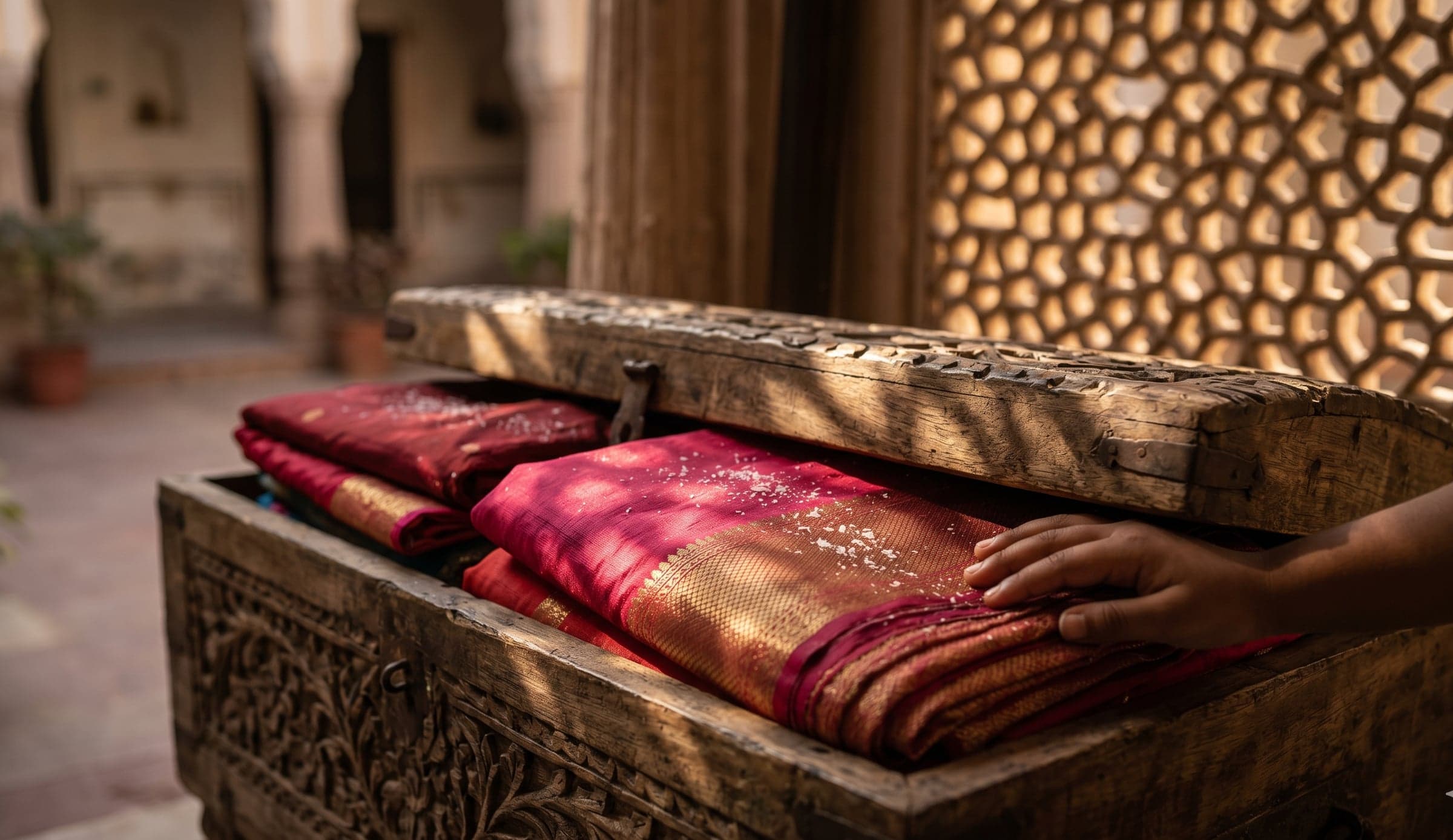
The Trunk.
The Surbhi Sabnani Label began in a room with a trunk. The trunk was old enough to have a history but not so old it could not still be opened. Inside, her grandmother kept saris folded the way her grandmother had taught her: borders out, pallu tucked, camphor in the pleats to keep moths and time at bay.
Surbhi was small enough to need a chair to see in. She watched her grandmother and her mother dress for festivals and weddings the way other children watched cartoons. By six, she was already redrawing what she saw — flatter at the waist, looser at the hem, an extra line of gota where the original wasn't.
Years later, when she founded the label, her vocabulary was already double. Rajasthani at one shoulder, contemporary at the other. The trunk had become a method.

The First Walk.
The Jaipur Couture Show. Her debut collection, Dev Gaman, walked under a string of bulbs that had been hung an hour late. The collection was an offering, not an introduction — she had nothing to prove and everything to give. Hand embroideries that had travelled centuries were laid against cuts the wearer's mother might have called too modern. The conversation between the two did the talking.
She learned that night what would become the house's only fixed rule: old craft, new line. Everything since has been variation.
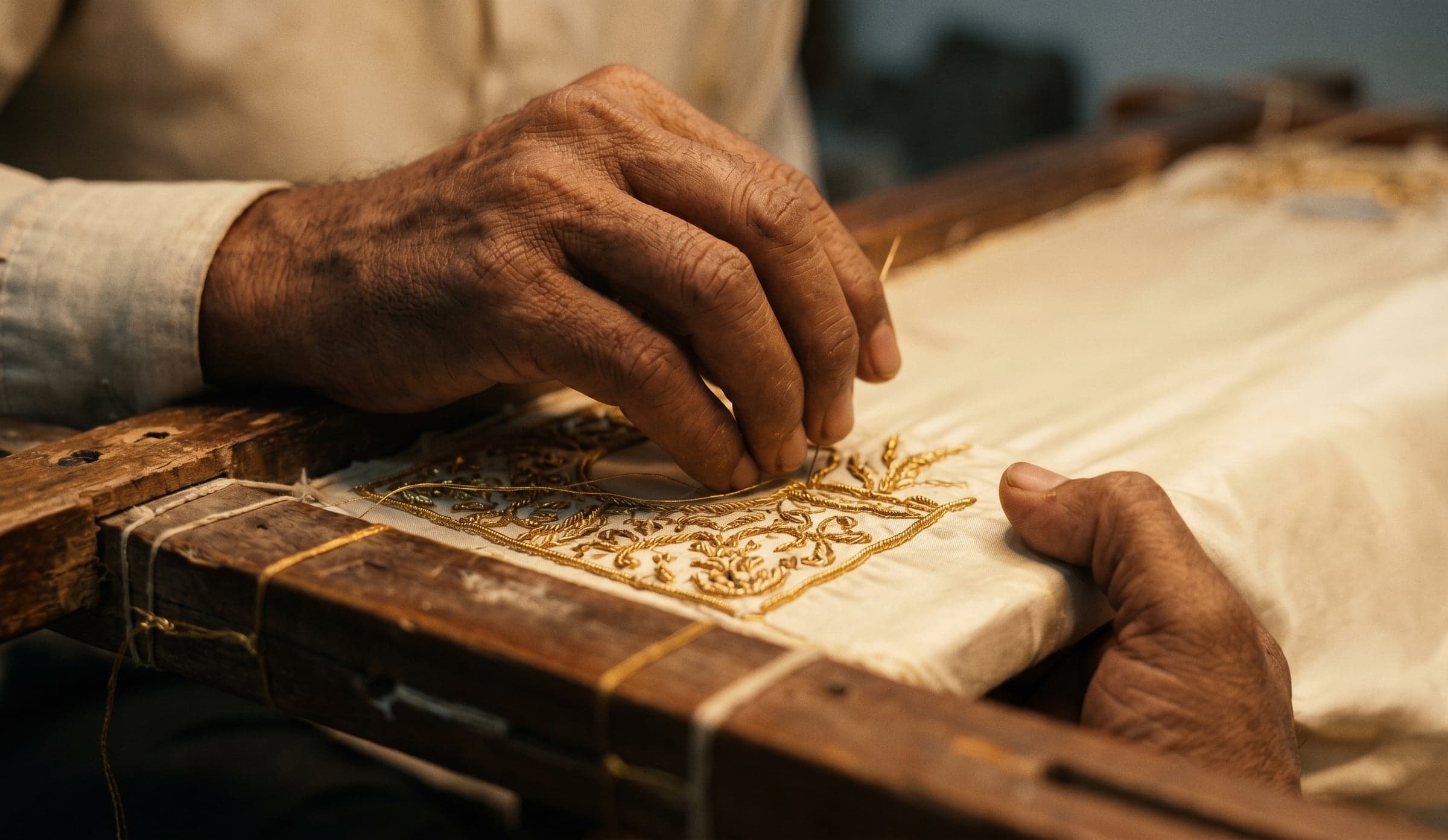
She does not make alone.
The atelier runs on partnership. The cutting master. The senior karigar at the adda. The finishing-room women whose names sit on the lining tag of every garment the house produces.
She sketches; the karigar reads. The karigar redraws in his own hand, and she reads back. By the time a piece reaches a body, it has passed through ten or twelve hands, each leaving a fingerprint somewhere only the owner will ever know to look for.
Some of the people who work in her atelier come from families who have kept the craft alive through four generations. She does not call them staff. She calls them, when pressed, the house.
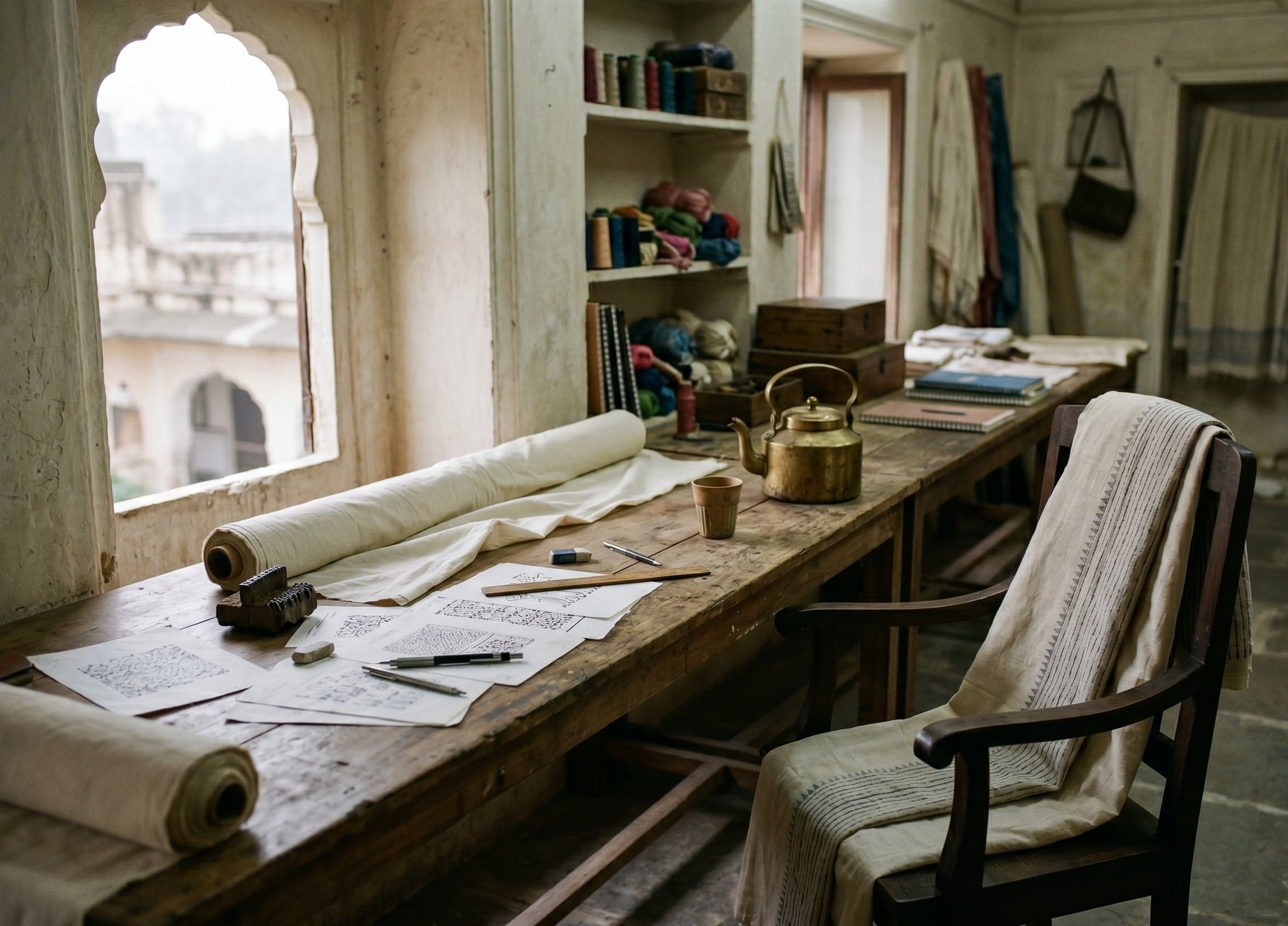
When the city closed.
Then the city went quiet. The pandemic closed showrooms across India, and for a few months the atelier was a silent room with a kettle that no one boiled.
The expected response was to wait. She did not wait. She moved the showroom into a screen, kept the karigars on payroll, kept the consultations going, and learned how to fit a bride over a video call the way a tailor in another century had learned to draft over a courtyard wall.
The house did not survive because it was lucky. It survived because she was awake.
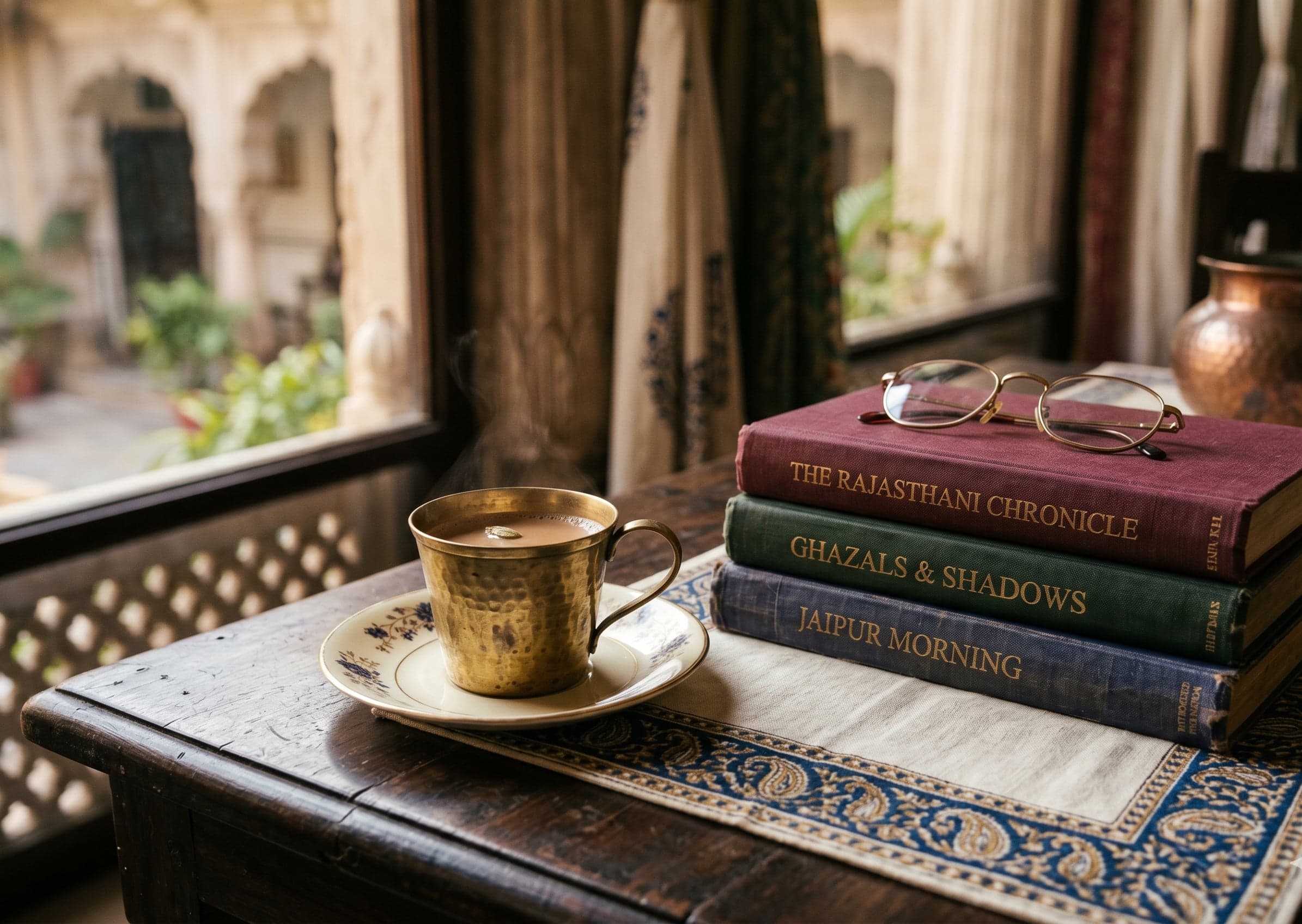
Quiet, on purpose.
She meditates each morning before the kettle boils. She would not call it a practice. She would call it the precondition for the rest of the day. Her view of beauty matches: a body is not its shape — it is the comfort one has earned inside it.
She wears very little jewellery. She reads more than she speaks. Sundays are slow — a long breakfast at home, the family table, an afternoon at an old library archive or a quiet bookshop in Civil Lines. The phone goes face-down by ten in the morning and stays there until the next light.
Family is the closest archive she keeps. The rest, she travels for.
A larger room.
She has begun, in the past year, to think of the label as something larger than what it currently is. Not louder. Larger. A way of dressing that begins at the body and ends at the home — furniture, fragrance, a calmer room to live in than the one Indian fashion is currently being marketed as.
She has not announced any of this. She has only begun, in the way she begins anything, by keeping a notebook.
“Be authentic. Embrace your strengths.
Carve your own path.”
— SS
She says this to upcoming designers who write to her. She says it knowing the simple things are the ones that take the longest.